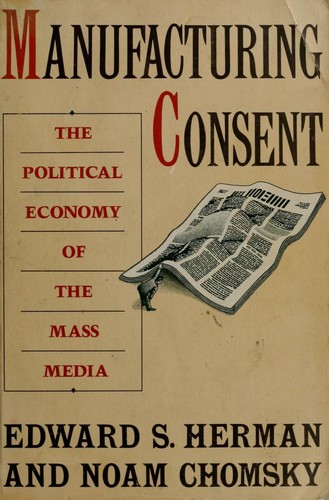
I tried to explain this book to a coworker over lunch and gave up about four minutes in, because you can’t really snip it into quotable pieces, the argument only really lands as a whole. Herman and Chomsky’s propaganda model runs on five filters, ownership concentration, advertising dependence, sourcing that leans on government and corporate “experts,” organized backlash against unfriendly coverage, and a shared ideological floor everyone in the industry already stands on before a single story gets assigned. None of that requires a smoke filled room or an actual conspiracy, that’s the part that got me, it’s not about bad people making bad choices, it’s a structure that produces a predictable output regardless of who’s staffing it.
The case studies are where it stops being theory and starts being a gut punch, the comparison of how the American press covered atrocities committed by enemies of the US versus atrocities committed by allied or client governments, the worthy victims and the unworthy ones as they call it, laid out with citation after citation until the pattern is undeniable. The Vietnam and Cambodia sections in particular are not comfortable reading, and I don’t think they’re supposed to be. It’s not a fast read, plan on it taking a while and rereading paragraphs, but it earns every one of those hours.
Is it dated. Sure, it was written in the 80s and references a media landscape that’s since consolidated even further than the book warned it would, which if anything makes the argument land harder now than it did then. I picked this up thinking I understood how media bias worked and came out the other side with a completely different vocabulary for describing it, filters instead of villains, structure instead of intent. Five stars, and I’ve been insufferable about recommending it since.